A traditional facelift typically lasts around 7 to 10 years. A deep plane facelift lasts longer, generally 10 to 15 years, because it repositions the deeper SMAS muscle layer rather than just tightening skin.
No facelift stops the clock permanently. Ageing continues after surgery, but the starting point is reset, so most patients still look younger than their non-operated peers for well over a decade. How long your specific result holds depends on the technique used, your surgeon's skill, your skin quality, and how you look after yourself afterwards, all covered below.
Technique Comparison: Which Facelift Lasts Longest?
| Technique | Typical longevity | What it addresses | Recovery | Best suited to |
|---|---|---|---|---|
| Skin-only / mini facelift | 3 to 5 years | Skin laxity only, no muscle repositioning | 1 to 2 weeks | Early signs of ageing, smaller correction |
| Traditional (SMAS) facelift | 7 to 10 years | Skin plus superficial muscle layer | 2 to 4 weeks visible, longer internally | Moderate jowling and neck laxity |
| Deep plane facelift | 10 to 15 years | Skin, SMAS, and the deeper structural ligaments and fat compartments | 2 to 4 weeks visible, 6 to 8 weeks internally | Patients wanting the most durable, natural-looking correction |
The deep plane approach lasts longer because it corrects the cause of facial ageing (descended, weakened deep tissue) rather than only the visible symptom (loose skin). Pulling skin alone without addressing what sits underneath tends to relapse faster and can produce a stretched, less natural look as it fades.
Factors That Affect How Long Your Results Last
Some things are within your control. Others are not. Separating the two helps set realistic expectations.
| Controllable | Uncontrollable |
|---|---|
| Sun exposure and UV protection | Genetics and natural skin ageing rate |
| Smoking (accelerates collagen breakdown) | Baseline skin quality and elasticity |
| Weight stability after surgery | Skin type (Fitzpatrick classification) |
| Skincare routine and product use | Bone structure and facial fat distribution |
| Stress levels and sleep | Age at the time of surgery |
| Follow-through on aftercare guidance | How your body heals and scars |
Significant weight gain or loss after a facelift is the single biggest controllable risk to your result, because it changes the volume and position of the tissue your surgeon repositioned. Sun exposure is the second largest, since UV damage breaks down the same collagen and elastin that support the correction.
How Surgeon Technique Affects Longevity
Not every surgeon performs the same procedure the same way, and the skill and technique used has a direct bearing on how long results hold.
The deep plane facelift is widely regarded as the most technically demanding facial rejuvenation procedure available, and not every surgeon is trained to perform it. It requires precise, three-dimensional repositioning of deep facial ligaments and the SMAS layer. Done correctly, it produces a longer-lasting, more natural result than a skin-tightening approach; done poorly, it carries more risk than a simpler technique.
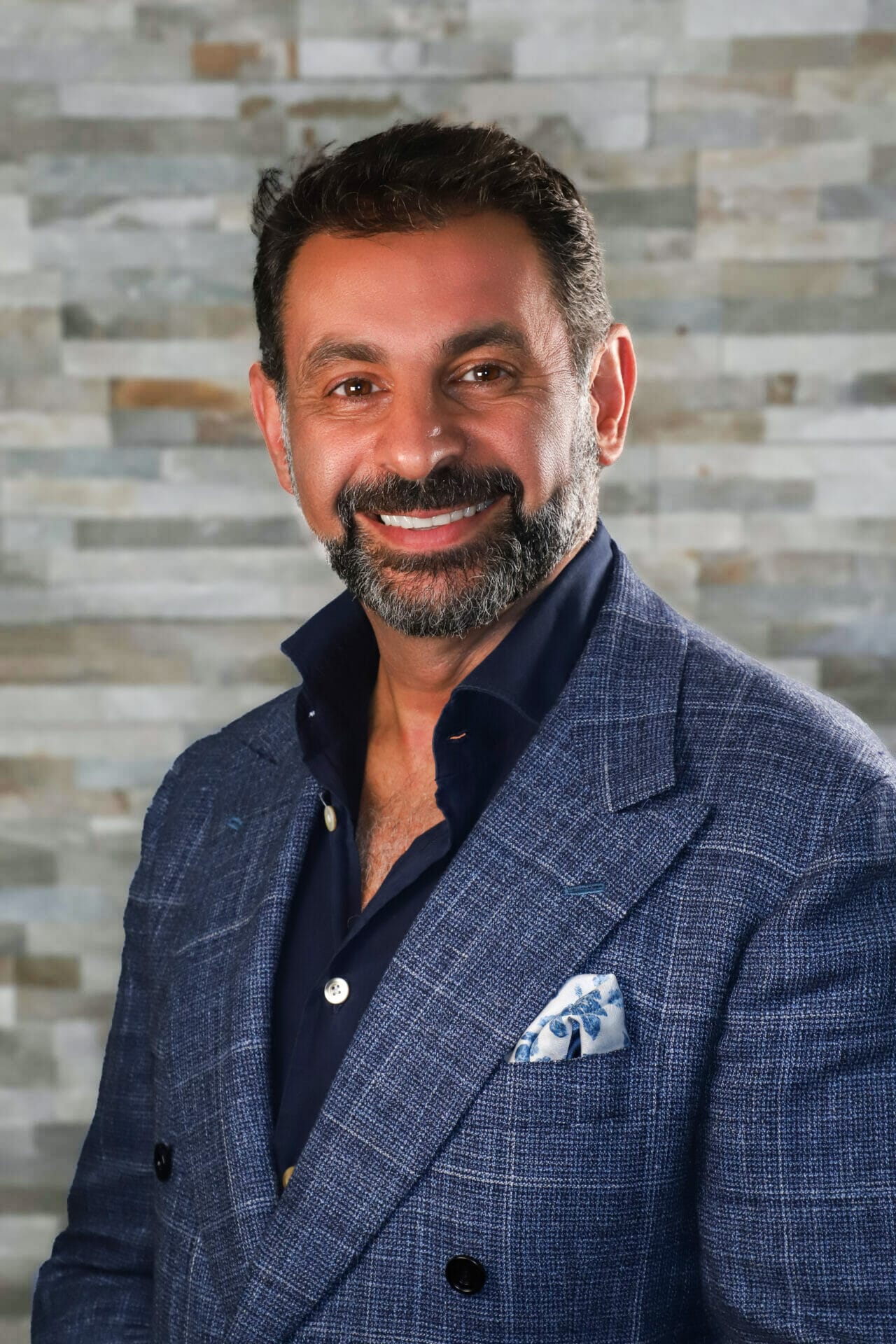
At Bella Vou, the deep plane facelift is performed by Amir Nakhdjevani MBBS, MRCS, FRCS (Plast.), Lead Consultant Plastic Surgeon and a UK Association of Aesthetic Plastic Surgeons (UKAAPS)-recognised specialist in facial rejuvenation. His view on technique:
"Facelift surgery is much like the creation of an exclusive, couture dress, where every stitch, fabric selection, and detail is crafted with precision to achieve a perfect, bespoke fit. The more skilled the surgeon, the more refined the technique and the more natural the result."
How to Make Your Results Last Longer
Five things patients can do to protect their investment and extend their result:
- Wear SPF daily, not just in summer. UV exposure is the fastest route to premature collagen breakdown around a healed facelift.
- Keep your weight stable. Repeated fluctuation stretches and loosens the tissue your surgeon repositioned.
- Stop or reduce smoking.
- Follow your aftercare plan in full, including lymphatic drainage massage and surgeon or nurse follow-ups to support healing quality.
- Consider non-surgical maintenance such as skin resurfacing or collagen-stimulating treatments in later years to complement, not replace, the surgical result.
When to Consider a Second Facelift
Facelift results fade gradually, not overnight, so there is rarely a single day when a revision becomes "necessary." Signs worth a consultation include renewed jowling along the jawline, loosening in the neck that wasn't addressed the first time, or a general sense that the improvement has faded back toward your pre-surgery appearance.
Most patients who have a second facelift do so 10 or more years after a well-performed deep plane procedure, often needing a smaller-scope revision rather than a full repeat surgery. There is no fixed limit on how many facelifts a person can have; each decision should be based on skin quality, health, and realistic goals discussed with a consultant surgeon.
Frequently Asked Questions
How long do facelift results last?
A traditional facelift typically lasts 7 to 10 years; a deep plane facelift typically lasts 10 to 15 years.
Do facelift results last forever?
No. Ageing continues after any facelift, but most patients remain visibly younger-looking than their pre-surgery baseline for well over a decade.
Does a deep plane facelift really last longer than a traditional facelift?
Yes, because it repositions the deeper SMAS layer and ligaments rather than tightening skin alone, which addresses the structural cause of ageing rather than only the surface sign.
What factors shorten how long a facelift lasts?
Smoking, significant weight fluctuation, sun exposure, and skipping aftercare guidance are the main controllable factors. Genetics, natural skin ageing rate, and skin type are not controllable.
Does surgeon skill affect how long results last?
Yes. Deep plane technique in particular requires specialist training; technique quality directly affects both how natural the result looks and how long it holds.
When do facelift results start to fade?
Fading is gradual rather than sudden. Most patients notice the earliest signs of change roughly 7 to 10 years after a traditional facelift, or later after a deep plane facelift.
Can I do anything to extend my facelift results?
Yes. Daily SPF, weight stability, reduced smoking, following your aftercare plan, and later non-surgical maintenance treatments can all help extend your result.
How many facelifts can you have in a lifetime?
There is no fixed limit. Decisions about a second or third procedure depend on skin quality, health, and the goals discussed with your surgeon at consultation.
Does a facelift last the same length of time at every age?
No. Skin quality, healing capacity, and rate of ongoing ageing vary by age at surgery, which is why longevity can differ between patients in their 40s, 50s, 60s, and 70s.
Is a deep plane facelift worth it if it costs more?
For many patients, yes, because the longer-lasting, more natural result reduces the likelihood of needing a revision within the same timeframe a traditional facelift might already be fading. Cost and suitability should be confirmed at consultation.
Medically reviewed by
Last Updated: September 22, 2026
Published On: September 22, 2026