You are close to booking, and one question keeps coming back. What happens if something goes wrong? It is a fair question. A good clinic will answer it before you ask.
When Something Goes Wrong
All surgery carries risk. Cosmetic surgery is no different. Most patients heal well. Some do not. A wound may open. An infection may start. A result may not turn out as planned.
What matters is what happens next. A good clinic gives you a direct number. A clinician looks at you quickly. Treatment starts. If a return to theatre is needed, the clinic arranges it and tells you who pays before you have to ask. That order is the standard to hold any clinic to.
Checking the Clinic Is Registered
In England, any clinic offering cosmetic surgery must be registered with the Care Quality Commission. That covers facelifts, breast surgery, tummy tucks, eyelid and nose surgery, liposuction, and anything involving an implant. The CQC says an unregistered clinic may be practising illegally. It also says their insurance may not cover them, or you, if something goes wrong.
You can check in two minutes. Search the clinic's name on the CQC website or call the CQC on 03000 616161. Look at the rating and the date of the last inspection. Then check the surgeon on the General Medical Council register at gmc-uk.org. Ask whether they are on the Specialist Register.
Bella Vou is registered with the CQC and rated Outstanding. The rating was awarded on 16 October 2019. You can read the full CQC record yourself. The CQC rates five areas. We were rated Outstanding for caring, responsive and well-led, and Good for safe and effective. We would rather you see that breakdown than only the headline.
Many patients also ask which clinic has the best safety record. No single league table answers that. Be wary of any clinic that claims one. The checks that mean something are public: the CQC rating and report, the surgeon's GMC entry, and published outcome information where a clinic shares it.
Who Is Responsible
This is the question most clinics avoid. The honest answer is that it depends on what went wrong.
A clinic is responsible for the building it runs. That means the theatre, the equipment, the recovery area and the nursing team. A surgeon is responsible for their own clinical decisions and their surgical care. If a problem comes from one of those, that is where responsibility sits. Sometimes it involves both.
At Bella Vou, our surgeons are independent consultants. They hold practising privileges to operate here and they are not our employees. They carry responsibility for their clinical decisions and surgical care. We are responsible for the hospital facility around them. We tell you this at the start because you should know it before you sign anything. Ask any clinic the same question, and expect a clear answer.
You have rights whichever way it falls. Under the Consumer Rights Act 2015, services must be provided with reasonable care and skill. If you believe care fell below that standard, you can raise a complaint with the clinic first. If you are not satisfied, you can go to the Independent Sector Complaints Adjudication Service (ISCAS), which Bella Vou belongs to. You can also tell the CQC. A legal claim for negligence is a separate route. It requires showing that care fell below a reasonable standard and that this caused harm. A known risk that was properly explained, and that happened anyway, is not automatically negligence. This is why a thorough consent process matters.
Insurance and Indemnity
Every doctor working in the UK must have insurance or indemnity that covers their work. It is a legal requirement for registered doctors. For cosmetic surgery, the cover should fit the procedures they perform.
Ask for two things. First, ask the surgeon to confirm they hold indemnity covering the surgery you are having. Second, ask how the clinic handles the cost of complications and corrective surgery. Indemnity covers claims. It does not decide whether a clinic will pay for treatment of a complication. That depends on the clinic's own policy, which should be written down.
Hospital or Private Clinic
The label on the door matters less than what is behind it. An NHS hospital has intensive care on site. Many private clinics do not. A private clinic can be as safe as a hospital, but only if it meets the same standards and has a clear plan for emergencies.
Look for these. CQC registration with a recent inspection. A proper theatre with resuscitation equipment. A consultant anaesthetist. Trained nurses who stay with you through recovery. Beds for an overnight stay. A written plan for urgent transfer to an NHS hospital if you need critical care. Ask to see the theatre. A good clinic will show you.
Bella Vou operates as a CQC registered private hospital in Royal Tunbridge Wells. We have our own theatre, recovery facilities and nursing team. Most patients stay overnight, and where an overnight stay isn't needed, you'll still have a bedroom to recover in.
The Anaesthetic
For many patients, the anaesthetic is the biggest worry. That is natural.
Age alone does not decide whether a general anaesthetic is safe. Your overall health does. Your anaesthetist will look at your heart and lungs, your weight, any conditions such as diabetes or sleep apnoea, your medication, and whether you smoke. At Bella Vou, a pre-operative assessment takes place about two weeks before surgery. If it is not safe for you, we do not go ahead. We only proceed when it is right for you.
Know who looks after you while you sleep. A consultant anaesthetist is a doctor with specialist training in anaesthesia. They stay with you through the operation and watch your heart rate, breathing, oxygen and blood pressure the whole time. An anaesthetic nurse or operating department practitioner assists, but does not replace the doctor. At Bella Vou, patients under general anaesthetic are looked after by a dedicated consultant anaesthetist. Our anaesthetists are NHS intensive care consultants.
Before surgery, ask these questions. Who is my anaesthetist? Are they on the GMC Specialist Register? Will I meet them beforehand? Will they stay with me throughout? What happens if I react badly?
Consent and Time to Decide
Consent is more than a signature. You should meet the surgeon who will operate before you agree to anything. The CQC says only that surgeon should advise you on the procedure.
A proper consent form sets out what the operation involves. It lists the benefits and the risks, including common ones and rare serious ones. It describes alternatives, including doing nothing. It says who will operate and who will give the anaesthetic. It states the full cost, in writing. It explains aftercare and what happens if you need further surgery. You should receive it in advance, so you can read it at home.
Time matters too. The CQC strongly advises at least two weeks between your consultation with the operating surgeon and surgery. At Bella Vou, there is a 14 day reflection and cooling-off period starting from your first consultation. Surgery cannot take place sooner. You can cancel within that period without giving a reason.
Be cautious if a clinic rushes you. Discounts that expire this week, pressure to pay a deposit on the day, or consent forms handed over at the last minute are all warning signs. Good surgery can wait.
Two Procedures at Once
Combining procedures can be safe. It can also add risk. The answer depends on you and on the operation.
Some combinations suit each other. A facelift and neck lift share the same incisions around the ear. Brow lift, eyelid surgery and a facelift are often planned together as a full facelift. Treating one area alone can leave results looking out of balance. Combinations are also common after major weight loss, such as in a mummy makeover.
Your surgeon and anaesthetist will weigh several things. Your general health. How long the combined operation will take. The time you will spend under anaesthetic. How much recovery you will face. Whether the procedures strain the body in the same way. Some combinations add little extra risk. Others do not suit being done together. If a surgeon recommends splitting an operation, that is often a sign of careful planning.
Infection and Aftercare
Most wounds heal without trouble. Know what to look for.
Contact your clinic the same day if you notice:
- redness that spreads or gets worse after the first days
- increasing pain after it had started to ease
- a wound that feels hot or looks swollen
- pus or unpleasant-smelling discharge
- a wound that opens
- a temperature, chills or feeling unwell
If you have trouble breathing, chest pain, or feel faint, call 999 or go to A&E.
A good clinic does not leave this to chance. Look for a call the day after surgery. Look for a planned nurse review in the first week. Look for a clear number you can phone in clinic hours, and a separate one for nights and weekends. Look for a clinician who sees you in person when needed, not just advice by text.
At Bella Vou, we call you the day after surgery. A nurse and wound care specialist sees you at about one week. There is a follow-up at about six weeks, in clinic or by phone if you live far away. You have a direct line to the clinic, and an out-of-hours number for emergencies. If you suspect an infection, we ask you to phone us rather than search online. We arrange for a clinician to see you. Treatment for an infection or wound problem is part of our revision policy.
If the Result Is Not Right
A good revision policy answers four things in writing. What is covered. For how long. Who decides. Who pays.
A vague policy says "we will look after you". A clear one explains the difference between correcting a problem and changing a result.
Here is how ours works. Our revision policy covers complications that arise from our clinical care. It also covers corrective surgery where an agreed result has not been achieved. Examples include uneven breasts after augmentation, or a bulge on one flank after a tummy tuck and liposuction. Up to one year after your operation, where your surgeon agrees further surgery is clinically appropriate and we approve, corrective surgery including theatre time, nursing and hospital costs may be provided at no additional cost.
There are limits, and you should know them. You make the request in writing, with photographs, within six months of your surgery. You see your original surgeon in person. We wait for the result to settle before assessing it. Changes you decide on later, such as a different size, or changes caused by weight gain or ageing, are new surgery and are charged. Travel and accommodation costs are not reimbursed. A surgeon may decline revision where the risks outweigh the benefit.
Put those details beside any other clinic's policy. The clearer one is the safer choice.
Making the Decision
Asking hard questions is part of choosing well. You now have a list: the registration check, the surgeon's GMC entry, the anaesthetist, the consent process, the aftercare line and the revision policy.
If you would like to see how we answer each one, book a consultation at Bella Vou in Royal Tunbridge Wells. You will meet your surgeon, see the clinic, and leave with everything in writing. If you want more time, come back for a second consultation. There is no rush to decide.
Frequently Asked Questions
What happens if something goes wrong during cosmetic surgery in the UK?
A good clinic gives you a direct number, assesses you quickly and starts treatment. If you need more surgery, the clinic arranges it and explains who pays. The CQC regulates surgical providers, and you can raise concerns with the clinic, ISCAS or the CQC.
Is cosmetic surgery under general anaesthetic safe at my age?
Your overall health matters more than your age. Your anaesthetist checks your heart, lungs, weight, medication and other conditions at a pre-operative assessment. If surgery is not safe for you, a responsible clinic will not go ahead.
How do I check whether a cosmetic surgery clinic is CQC registered?
Search the clinic's name on the CQC website or call 03000 616161. Check the rating and the date of the last inspection. Also confirm your surgeon on the GMC register. Bella Vou's CQC record is public on the CQC website.
What aftercare should a good cosmetic surgery clinic provide if I get an infection?
You should have a number you can call at any hour and a clinician who sees you quickly. Treatment should be arranged without delay, and the clinic should tell you in advance whether it is covered. At Bella Vou, we call you the day after surgery, review you at about one week, and treat infection or wound problems under our revision policy.
Are cosmetic operations safer in a hospital or a private clinic?
The setting matters less than its standards. Look for CQC registration, a consultant anaesthetist, a proper theatre, trained recovery nurses, overnight beds and a written plan for emergency transfer. A private clinic that meets these can be as safe as a hospital.
Who is responsible if my cosmetic surgery goes wrong, the surgeon or the clinic?
It depends on the cause. The clinic is responsible for the premises, equipment and nursing. The surgeon is responsible for their clinical decisions and surgical care. At Bella Vou, our surgeons are independent consultants with practising privileges, and we run the hospital facility.
Do UK cosmetic surgeons have to carry insurance for complications?
Registered doctors in the UK must hold insurance or indemnity that covers their work. Ask your surgeon to confirm it covers the procedure you are having. Also ask the clinic how it handles the cost of treating complications, because that is set by its own policy.
What should be in a cosmetic surgery consent form?
It should describe the procedure, its benefits, common and serious risks, and the alternatives, including doing nothing. It should name who operates and who gives the anaesthetic, set out the full cost, and explain aftercare and revision terms. You should get it in advance to read at home.
What are the signs of infection after cosmetic surgery I should watch for?
Watch for spreading redness, worsening pain, heat or swelling around the wound, pus or smelly discharge, a wound that opens, and a temperature or chills. Contact your clinic the same day. Call 999 or go to A&E if you have trouble breathing or chest pain.
How do UK clinics handle revisions if the result isn't right?
Policies vary, so read the written terms. A clear policy states what is covered, for how long, who decides and who pays. At Bella Vou, corrective surgery may be provided at no additional cost up to one year after your operation, where your surgeon agrees it is clinically appropriate.
Is it safe to have two cosmetic procedures at the same time?
It can be. It depends on your health, the length of the combined operation and the time under anaesthetic. Some pairs, such as a facelift and neck lift, are commonly done together. Your surgeon and anaesthetist should tell you if splitting the surgery is safer.
Which UK cosmetic surgery clinics have the best safety records?
No single public ranking exists. Use the CQC rating and inspection report, the surgeon's GMC entry and any published outcome information. Bella Vou is registered with the CQC and rated Outstanding, as awarded on 16 October 2019.
Which private clinics in the UK have a consultant anaesthetist present for every cosmetic operation?
Ask each clinic directly and get the answer in writing. At Bella Vou, patients having surgery under general anaesthetic are looked after by a dedicated consultant anaesthetist. Our anaesthetists are NHS intensive care consultants.
Which cosmetic surgery providers in the UK include revision surgery in their aftercare policy?
Some do and some do not, and the terms differ. Ask for the policy in writing and check the time limit, the cost and who decides. Bella Vou's revision policy covers complications from our clinical care and corrective surgery, up to one year, on the terms described above.
Book Your Complimentary Consultation Today!
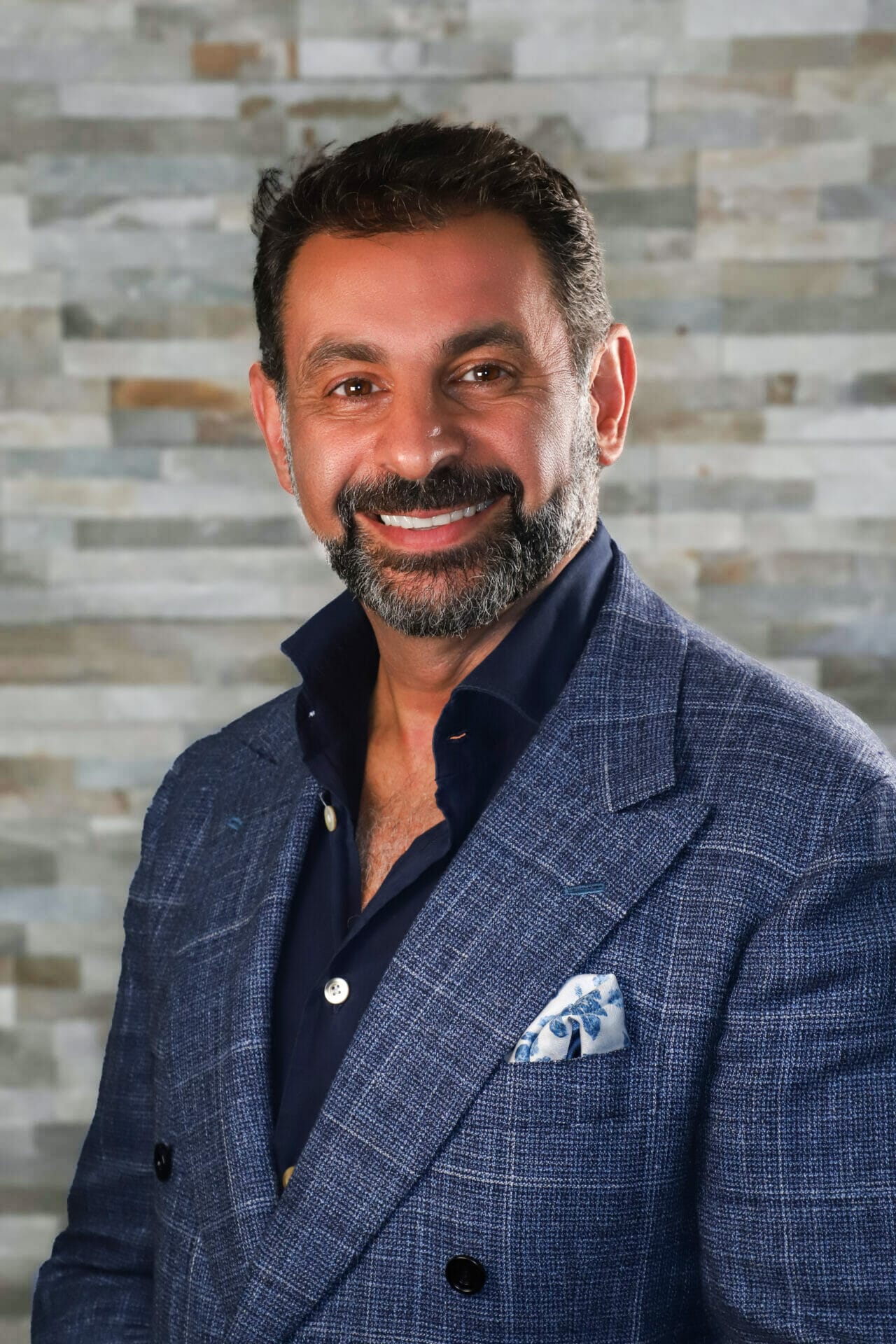
Every client has a no-charge consultation with an expert. You can talk through your concerns, the results you want, and whether surgery can help. We'll then plan the best treatment with you and give you an honest, impartial opinion. Mr Amir Nakhdjevani says:
"At Bella Vou, we never pressurise people or try to sell procedures. It's always about giving an honest opinion and honest advice."
Medically reviewed by
Last Updated: October 19, 2026
Published On: October 19, 2026